
Can Hair Extensions Damage Your Natural Hair Over Time?
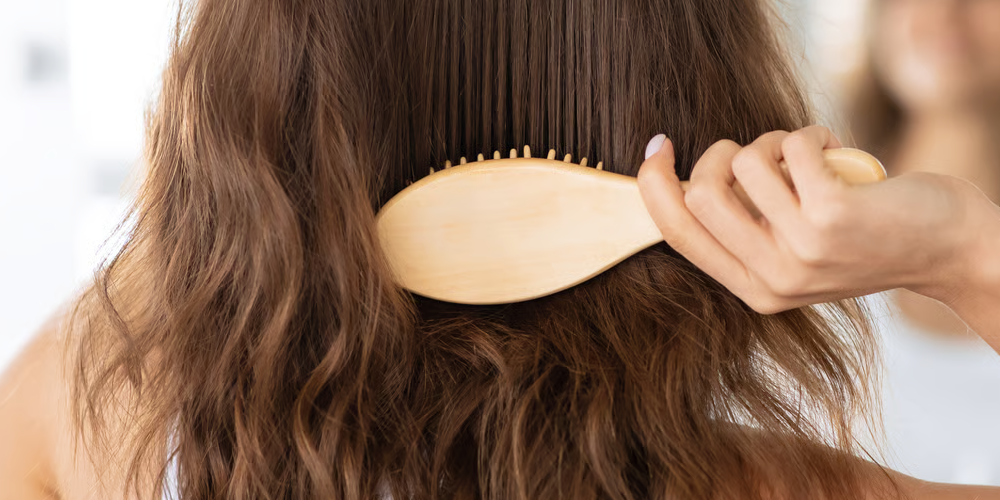
Hair extensions are a widely used method for adding length, volume, and versatility to one's hairstyle. With various options available, including clip-ins, tape-ins, and sew-ins, achieving a fuller appearance has become more accessible.
However, a prevalent concern is whether these extensions can lead to damage to your natural hair over time. While it is true that hair extensions can cause damage, this typically occurs only when they are installed incorrectly, worn improperly, or not maintained with adequate care.
If applied and managed correctly by a professional, hair extensions can be a safe and effective way to enhance your style.
What Are Hair Extensions and How Do They Work?
Hair extensions are strands of either natural or synthetic hair that are integrated with your own hair to enhance its length, volume, or to add color.
There are various application methods, each with a different impact on your natural hair based on the installation technique and subsequent maintenance. The most common types include:
Clip-in extensions, which are temporary and can be easily attached and removed as desired.
Tape-in extensions, which utilize adhesive wefts that are taped onto sections of the hair.
Sew-in extensions, which involve braiding the natural hair into cornrows and then sewing the hair wefts onto these braids.
Fusion extensions, where individual strands are bonded to natural hair using a keratin-based adhesive and a heat tool.
What Are the Potential Risks of Hair Extensions?
Here are some potential risks associated with hair extensions:
Damage to Hair Roots
One of the most significant risks of hair extensions is the strain they put on your natural hair roots. The added weight pulls on your hair, which can weaken the follicles over time.
This constant tension is a major cause of hair damage. If you want to understand this issue more clearly, learning why some extension methods cause tension or discomfort can help you avoid long-term problems.
This strain can lead to noticeable breakage and thinning. In severe cases, it can cause a type of hair loss called traction alopecia, where the follicles become so damaged that they stop producing new hair.
Improper Installation
Extensions that are installed too tightly or placed incorrectly can stress certain areas of the scalp.
Problems include:
Uneven weight distribution
Visible attachment points
Discomfort or pain
Lack of Proper Maintenance
Poor aftercare can damage both your extensions and natural hair. Without regular, correct maintenance, you risk severe tangling and matting, making your hair hard to manage and brush.
This neglect also leads to product buildup at the roots, which weighs down your hair, creates an unhealthy scalp, and can cause more damage. Ultimately, poor maintenance compromises your hair's health and appearance.
The extensions can become dull and frizzy, while your natural hair may weaken and break. A consistent aftercare routine is crucial to keep your extensions looking great and protect your natural hair from harm.
Sleeping and Styling Habits
Rough handling, tight hairstyles, or sleeping without protection can increase damage.
When Hair Extensions Do NOT Cause Damage?
When installed by a professional, hair extensions should not cause damage. A proper installation ensures the extensions feel comfortable, are evenly distributed, and blend naturally with your hair.
Choosing the right type of extension for your hair texture is also crucial. For instance, lightweight options like tape-ins are ideal for fine hair, whereas thicker hair can handle heavier methods like sew-ins without causing stress to the roots.
Following a consistent aftercare routine is just as important as the installation itself. Proper maintenance, including gentle handling and using the right products, protects both your natural hair and the extensions.
By adhering to these guidelines, you can enjoy the benefits of extensions without compromising the health and integrity of your hair.
How to Know If Extensions Are Damaging Your Hair
While hair extensions can enhance your look, it's important to recognize the signs of damage.
Pay attention to persistent scalp pain or discomfort, as this indicates too much tension on your hair follicles. Other warning signs include increased hair shedding, noticeable breakage where the extensions are attached, and scalp redness or irritation.
These symptoms are signals of distress and shouldn't be ignored. If you experience any of these issues, consult your stylist immediately. Prompt action can prevent long-term problems like hair thinning or permanent scalp damage, keeping your natural hair healthy.
Long-Term Effects of Poor Extension Use
Ignoring the warning signs of improper hair extension use can lead to several long-term problems. The continuous stress and tension on your hair follicles from poorly applied or overly heavy extensions can cause your natural hair to thin out over time.
This strain also weakens the hair shafts, making them fragile, brittle, and prone to breakage, particularly at the attachment points.
In more severe cases, the damage isn't just limited to your hair strands. The constant pulling can lead to significant scalp damage, including inflammation and irritation. This can negatively impact the health of your hair follicles, potentially affecting future hair growth and leading to more permanent issues if not addressed promptly.
How to Prevent Hair Damage from Extensions?
Fortunately, you can enjoy the volume and length that extensions offer without sacrificing the health of your natural hair. Here are some essential tips to help prevent hair damage while wearing extensions:
Choose an Experienced Stylist
Selecting the right stylist is the most critical step. A trained professional understands how to apply extensions using the proper placement, weight distribution, and technique for your specific hair type. They will ensure the extensions are not attached too tightly or in a way that puts excessive strain on your natural hair roots.
Avoid Overloading Your Hair
More isn't always better. Opting for too many extensions or choosing pieces that are overly heavy can create significant strain and tension on your natural hair and follicles. A skilled stylist will help you find the right balance to achieve your desired look without compromising your hair's integrity.
Maintain a Regular Care Routine
Consistent care is key to keeping both your extensions and your natural hair healthy. This includes:
Gentle brushing: Use a brush designed for extensions to carefully detangle, starting from the ends and working your way up to the roots to prevent snagging.
Regular washing: Use sulfate-free shampoos and focus on cleansing the scalp without rough scrubbing.
Proper conditioning: Apply conditioner primarily to the mid-lengths and ends of your hair, avoiding the attachment points to prevent slippage.
Give Your Hair Breaks
Wearing extensions continuously without any breaks can lead to cumulative stress on your hair and scalp. It's important to schedule periods where you go without them to allow your natural hair and follicles to rest and recover.
Protect Your Hair While Sleeping
Your hair is vulnerable to friction and tangling overnight. To minimize damage while you sleep, use:
Silk or satin pillowcases: These create less friction than cotton, reducing the risk of breakage and tangles.
Loose braids or protective styles: Loosely braiding your hair or securing it in a soft bun prevents it from matting and pulling while you move in your sleep.
Best Practices for Healthy Hair with Extensions
To keep your hair healthy while wearing extensions, follow a few best practices. Use products specifically designed for extensions and color-treated hair to maintain their quality, and be gentle when styling.
Avoid excessive heat and tight hairstyles that could cause tension and breakage. Schedule regular maintenance appointments with your stylist to ensure the extensions are secure and prevent damage to your natural hair.
It's also essential to maintain a clean scalp, as this provides the foundation for strong, healthy hair growth. By integrating these practices into your routine, you can enjoy your extensions while keeping your natural hair in excellent condition.
Tips for Long-Term Hair Health
To ensure the vitality of your hair while wearing extensions, consider these additional recommendations:
Balance Style with Hair Care: While extensions offer stylistic versatility, it is crucial to prioritize the health of your natural hair.
Monitor Your Hair's Condition: Regularly inspect your hair and scalp for any indications of stress or damage.
Maintain a Consistent Care Routine: Adhering to a regular maintenance schedule can prevent minor issues from escalating into significant problems.
Use High-Quality Products: Invest in products specifically formulated for both hair extensions and your natural hair type.
Limit Heat and Chemical Exposure: Minimize the use of heat styling tools and chemical treatments to protect your natural hair and the extensions from damage.
Schedule Breaks Between Installations: Allow your scalp and natural hair time to rest and recover by scheduling breaks between extension applications.
By adhering to these maintenance guidelines, you can prolong the life and appearance of your hair extensions while preserving the health of your natural hair.
FAQs
Do hair extensions damage natural hair over time?
Hair extensions do not always damage natural hair if they are professionally installed and applied correctly. A professional stylist ensures minimal tension, helping keep scalp healthy and reduce hair breakage during everyday wear.
Which types are the least damaging hair extensions?
The least damaging hair extensions include hand tied wefts and other methods designed for minimal stress. These options protect delicate hair and natural strands when applied properly and maintained correctly.
What causes damage from extensions?
Damage natural hair issues often come from damaging hair extensions, poor application process, or repeated pulling. Using heated styling tools, harsh chemicals, or improper removal process can lead to thinning hair and scalp irritation.
How can you protect your natural hair and extensions?
Follow a strong maintenance routine, keep your scalp clean, and brush with a soft bristle brush or loop brush to prevent tangling. With proper care, extensions can add volume while preserving your natural beauty.
Conclusion
It's a common worry: will extensions damage my natural hair? The truth is, they only cause damage if they're not handled with care.
With professional installation, the right type of extensions for you, and a little bit of TLC, you can enjoy all the volume and length without any of the harm. It's all about balance! Treat your natural hair like gold, listen to your stylist's advice, and avoid putting too much stress on your roots.
When you get the process right, extensions are a fantastic way to switch up your look while keeping your own hair happy and healthy.
Filomena Salon Coquitlam is an award-winning hair salon located on Schoolhouse Street in Coquitlam. We are specialists in hair extensions, hair colour and other professional hair services.
If you are considering a new colour or style for your hair, contact us. We’ll walk you through all the options to ensure your choice of colour reflects your personality and complexion.
Call today for a free consultation with one of our stylists. We have the best hairdressers and the best hair colourists in Vancouver.
Call now at 604-777-9300 or email us at info@filomenasalonspa.com.