
Can You Use the Same Heat Styling Routine on Extensions as on Natural Hair
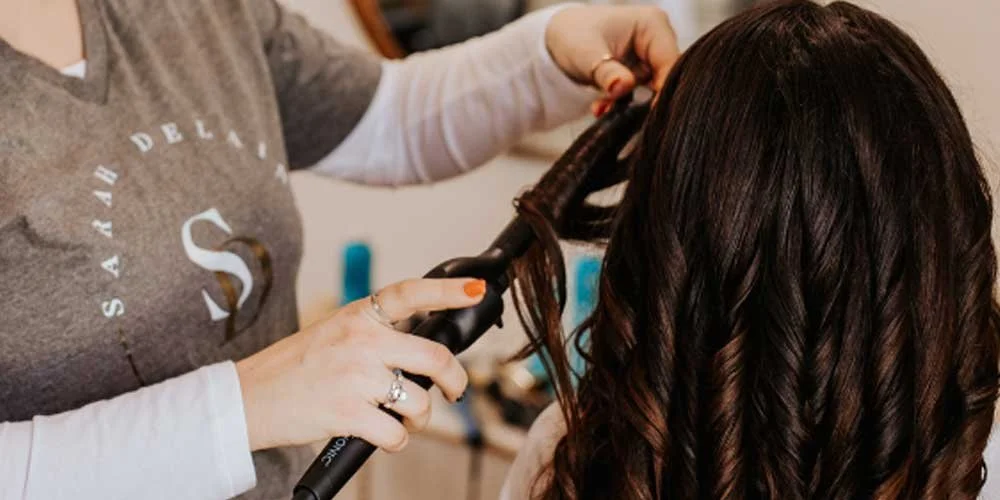
Hair extensions can transform your look instantly, adding length, volume, and style versatility. However, once you have extensions installed, your usual heat styling routine may no longer be suitable. Many people make the mistake of treating extensions exactly like natural hair, only to find that the strands become dry, frizzy, or damaged far too soon.
While extensions made from human hair can handle some heat styling, they require gentler care, specific tools, and temperature control to maintain their quality and shine. Synthetic extensions, on the other hand, often need a completely different approach.
This article explains the key differences between natural and extension hair, what to watch out for when using heat, and how to create a safe styling routine that keeps both textures healthy and beautiful.
Understanding the Difference Between Natural Hair and Extensions
Before applying any heat, it’s essential to know how extensions differ from your own hair.
1. Extensions Lack Natural Oils
Your scalp produces sebum, a natural oil that coats and protects your hair from dryness and damage. Extensions do not have this benefit since they’re not attached to the scalp. This means they are more prone to dehydration when exposed to heat.
2. The Cuticle Structure May Be Altered
Human hair extensions undergo chemical processing before they reach you. This process can make the cuticle layer thinner and more sensitive to high temperatures.
3. Synthetic Fibers React Differently to Heat
Synthetic extensions are made from materials like acrylic or polyester and often melt or warp under high heat. Even heat-resistant versions require extremely low temperatures compared to natural hair.
Understanding these distinctions helps determine how much heat your extensions can safely handle and how to adjust your styling habits.
How Heat Affects Extensions
Heat styling tools such as flat irons, curling wands, and blow dryers can cause damage if used incorrectly. The main risks include:
Loss of moisture: Heat evaporates any remaining hydration, leading to brittleness.
Weakened bonds: Adhesive or keratin bonds may loosen or break under excessive heat.
Color fading: Extensions, especially colored or highlighted ones, can lose pigment faster when exposed to direct heat.
Texture alteration: Repeated heat can permanently change the pattern of wavy or curly extensions, causing uneven texture.
With the right precautions, however, heat styling can still be done safely and effectively.
Determining If Your Extensions Are Heat-Friendly
Not all hair extensions can handle heat, so it’s very important to know what type you have before you grab those styling tools.
If you have human hair extensions (think Remy or virgin hair), you’re in luck. They can usually tolerate moderate heat, just like your own hair. But always use a heat protectant and try to keep the temperature on the lower side to prevent damage.
For synthetic extensions, it’s a bit different. If they’re labeled heat-resistant, you can use low to medium heat (under 180°C). But if they’re not heat-friendly, avoid heat completely. Instead, get creative with heatless styling options like braiding or foam rollers.
How to Safely Use Heat on Hair Extensions
To maintain the integrity of your extensions and your natural hair, follow these essential steps every time you style with heat.
1. Always Apply Heat Protectant
This is non-negotiable. A heat protectant spray creates a thin barrier that reduces moisture loss and prevents direct heat contact. Apply evenly from mid-lengths to ends before using any hot tool.
2. Adjust Your Temperature Settings
Fine or chemically treated hair, including extensions, needs lower heat settings. Keep your styling tools between 250°F and 320°F (120°C to 160°C) for most extension types, and avoid using maximum heat even when you are short on time.
3. Work in Small Sections
Styling smaller sections ensures even heat distribution and reduces the need to pass over the same area multiple times. This minimizes potential damage.
4. Avoid Heating the Bonds
When styling bonded or tape-in extensions, keep the iron or wand several centimeters away from the attachment points. Direct heat weakens adhesive and may cause slippage.
5. Let Hair Cool Before Touching
Allow curls or waves to cool fully before brushing or styling further. This helps them set naturally and prevents frizz or flattening.
6. Finish with a Lightweight Serum
A few drops of shine serum or argan oil can help smooth frizz, seal moisture, and add a natural finish without weighing down the extensions.
Adjusting Your Routine for Different Extension Types
Different installation methods require slight changes to your styling approach.
Clip-In Extensions
Remove them before heat styling if possible. This allows for safer and more even styling. If you must style them while attached, use low heat and protect the clips from contact with hot tools.
Tape-In Extensions
Avoid directing heat near the tape area. Blow-dry on a cool or warm setting, and curl or straighten from mid-length downward.
Sew-In or Weave Extensions
Because the hair is sewn into braids, be careful when using blow dryers; too much heat can irritate the scalp. Always apply a heat protectant and detangle thoroughly before styling.
Keratin or Bonded Extensions
These require extra caution. Heat can soften the bonds, causing them to slip. Keep irons and curling tools several centimeters away from attachment points.
Micro-Link or I-Tip Extensions
Metal beads or links can become hot during styling. Hold tools away from the root area and use moderate temperatures to prevent heat transfer to your scalp.
Alternatives to Heat Styling
Want to keep your extensions looking fabulous for longer? It’s all about mixing up your styling routine with both heat and no-heat methods.
Try heatless curls overnight with rollers or braids for gentle waves. When you blow-dry, finish with a cool air setting to keep frizz away. You could also explore steam styling for a gentle way to reshape your hair with moisture-based warmth, and don’t forget texture sprays or mousses for a boost of volume without direct heat.
By switching between these methods, you’ll keep your styling options open while protecting the health and lifespan of your extensions.
Post-Styling Care Tips
Heat-styled extensions need extra care afterward to retain hydration and smoothness.
Hydrate Regularly
Use a nourishing mask once a week to restore lost moisture. Focus on mid-lengths and ends where dryness is most noticeable.
Minimize Product Buildup
Avoid heavy silicones or oils that coat the strands. Instead, use lightweight leave-in sprays that hydrate without residue.
Comb Gently
Use a wide-tooth comb or soft detangling brush to prevent tugging and shedding. Always start from the ends and work upward.
Sleep Smart
Wrap your hair in a silk scarf or sleep on a satin pillowcase to reduce friction. This prevents frizz and prolongs your style overnight.
Trim When Needed
Even extensions develop split ends over time. Regular trims every few months keep them smooth and manageable.
Why Do Some Extension Methods Cause Discomfort & How Can You Prevent It
Properly applied hair extensions should feel comfortable, but some individuals experience mild discomfort, often immediately after installation.
This can stem from excessive tension during application, incorrect placement, or extensions being too heavy for natural hair, leading to scalp strain. Product buildup and inadequate scalp care can also cause irritation.
To mitigate discomfort, prioritize professional installation with correct tension and weight distribution. Regular, gentle cleansing, proper sleeping habits (like using a silk pillowcase), and adhering to maintenance schedules are crucial. Addressing any sensitivity to materials promptly ensures a comfortable and healthy extension experience.
Signs You Are Overusing Heat
Are your extensions losing their shine or soft texture? It might be time to take a closer look at your styling routine. Keep an eye out for these telltale signs:
Dry, brittle strands that seem to tangle all the time.
Color that looks faded or uneven.
A dull, rough surface that doesn’t reflect light well.
More frizz than usual or a loss of your hair’s natural curl pattern.
If you notice any of these, it’s a good idea to give your hair a vacation from heat styling. Focus on giving your extensions some love with hydrating treatments for a few weeks.
Expert Advice for Longevity
Want your hair extensions to stay fabulous for as long as possible (usually 3 to 6 months)? Here’s some friendly advice from the pros: go easy on the heat styling.
Try to use heat styling tools no more than twice a week, and avoid combining high heat with chemical treatments such as toning, as this can be too harsh on your extensions. Instead, care for them with weekly deep conditioning treatments and regular maintenance appointments with your stylist.
By balancing styling and care, you’ll keep your extensions looking soft, shiny, and beautifully natural for months to come.
FAQs
Can you use the same heat styling routine on extensions as on natural hair?
Not exactly. While natural hair extensions are made from real hair strands, they don’t receive natural oils from the scalp, making them more prone to dryness. Limiting heat styling and using proper care techniques makes all the difference in protecting hair extensions from damage and maintaining a healthy, natural shine.
What are the best heat styling tips for extensions?
Always air dry or use a cool setting before applying heat tools. Never style wet extensions or damp hair, as this can damage the hair cuticle and hair shaft. Use high-quality tools and apply leave-in conditioner to keep extensions hydrated and tangle-free.
Can synthetic hair be styled with heat?
Synthetic hair should not be exposed to curling irons or high heat. Instead, try heatless styling methods for voluminous curls or waves.
How can you extend the life of your extensions?
Gently brush with a soft bristle brush, avoid tugging, and sleep on a silk or satin pillowcase. These habits, along with limiting heat exposure and reducing frequent styling sessions, prevent excessive dryness and strip moisture, helping fusion extensions or other types last longer.
Conclusion
While you can use heat styling tools on certain types of hair extensions, the same routine you use on natural hair may be too harsh. Extensions, whether human or synthetic, require lower temperatures, extra hydration, and consistent protection.
Think of your extensions as delicate fabric; the gentler you are with them, the longer they will retain their beauty and strength. By using heat carefully, alternating with no-heat styles, and giving your strands proper aftercare, you can enjoy flawless, lasting results without compromising your investment.
With the right balance of technique and care, your extensions will stay radiant, soft, and ready to style season after season.
Filomena Salon Coquitlam is an award-winning hair salon located on Schoolhouse Street in Coquitlam. We are specialists in hair extensions, hair colour and other professional hair services.
If you are considering a new colour or style for your hair, contact us. We’ll walk you through all the options to ensure your choice of colour reflects your personality and complexion.
Call today for a free consultation with one of our stylists. We have the best hairdressers and the best hair colourists in Vancouver.
Call now at 604-777-9300 or email us at info@filomenasalonspa.com.