
How to Choose the Right Length and Volume for Your Hair Type
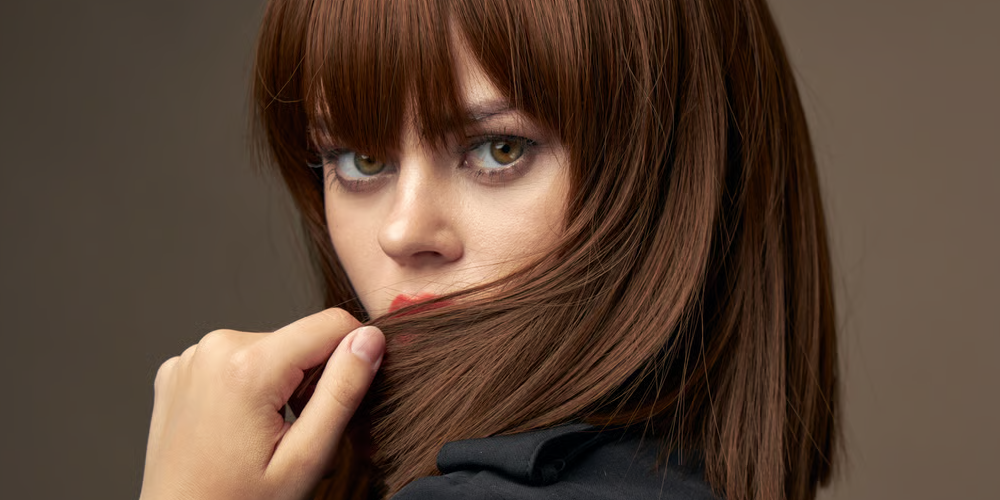
Choosing the right hair length and volume is essential for achieving a look that complements your natural features and is easy to manage. The ideal style is not just about trends but about understanding your hair type, including its thickness, texture, and natural movement. The wrong length can make fine hair appear flat or cause thick hair to feel heavy and difficult to style.
By finding the right balance between length and volume, you can enhance your hair’s natural beauty and create a more flattering shape. This guide will help you understand how to choose a style that works best for your unique hair type and lifestyle.
The Relationship Between Length, Density, and Texture
Hair length, density, and texture all work together to determine how your hair looks and behaves. Length affects how much weight your hair carries, which can either increase or reduce volume. Density refers to how much hair you have on your scalp, whether it is fine, medium, or thick. Texture describes the natural pattern of your hair, such as straight, wavy, or curly.
For example, long hair on a thick or dense head can feel heavy and lose shape, while fine hair may appear flat if it is too long. Curly hair tends to shrink, so length may appear shorter than it actually is. Understanding how these factors interact helps you choose a balanced style that enhances volume, movement, and overall appearance.
How Weight Affects Volume and Movement
The weight of your hair plays a major role in how much volume and movement it has. As hair gets longer, it becomes heavier, which can pull it downward and reduce natural volume, especially at the roots. This is why long hair often looks flatter compared to shorter styles. For people with fine hair, extra length can make the hair appear even thinner and less full.
On the other hand, thick or dense hair can become bulky and difficult to manage when it is too long. The added weight can limit natural movement and make styling more challenging. Removing some weight through layers can help restore bounce and flexibility.
Finding the right balance is important. A well-chosen length with proper layering can control excess weight while maintaining volume and allowing your hair to move more freely and naturally.
Customizing Length for Fine Hair Clients
Choosing the Right Length
Selecting the correct length is key for fine hair. Short to medium lengths usually work best because they reduce weight and allow the hair to maintain natural volume. Very long hair can appear flat and make fine strands look thinner.
Benefits of Blunt Cuts
Blunt cuts help create the illusion of thickness by keeping the ends full and even. This style prevents the hair from looking wispy and gives it a denser, more structured appearance.
Using Layers Carefully
Layers should be minimal and strategically placed. Light layers can add movement, but too many can remove bulk and make the hair look sparse. The goal is to enhance shape without sacrificing fullness.
Adding Face-Framing Pieces
Face-framing sections can add dimension and style without affecting overall density. They help create a polished look while keeping most of the hair full.
Maintaining Volume with Easy Styling
Choosing a manageable length reduces the need for heavy styling. This helps fine hair maintain its natural lift and makes daily routines simpler.
The Role of Layering and Cutting Techniques
Layering and cutting techniques play a major role in shaping how your hair looks and behaves. The right technique can enhance volume, improve movement, and create a balanced overall appearance. Layers help remove excess weight, especially in thick hair, while adding dimension and lift to finer hair types. Different cutting methods, such as blunt cuts or textured cuts, are used to achieve specific results based on your hair type and desired style.
A well-executed cut works with your natural texture instead of against it, making styling easier and more effective. Proper techniques also help maintain the health of your hair by preventing uneven weight distribution and reducing stress on the strands over time.
Managing Volume in Thick or Dense Hair
Understanding Shrinkage
One of the most important factors to consider when choosing a length for curly and textured hair is shrinkage. This is the natural tendency of curls to coil up and appear shorter than their actual length. The tighter the curl pattern, the more noticeable the shrinkage. For example, hair that reaches past the shoulders when wet may appear much shorter when dry.
Because of this, it is essential to plan your desired length carefully. Always consider how your hair behaves in its natural, dry state before making any cutting decisions to avoid ending up with a style that feels too short.
Balancing Length and Volume
Curly and textured hair naturally has more volume, and length plays a big role in controlling it. Shorter lengths often create more volume because there is less weight pulling the hair down. This can result in a fuller, more rounded shape. On the other hand, longer lengths add weight, which helps reduce excessive volume and creates a more elongated appearance.
Finding the right balance between length and volume depends on your personal style and how much fullness you prefer. The goal is to achieve a shape that feels manageable while still enhancing your natural texture.
The Importance of Layering
Layering is a key technique for shaping curly and textured hair. Without layers, curls can stack on top of each other, creating a heavy or triangular shape. Well-placed layers help distribute volume evenly and allow the curls to fall more naturally.
This improves both the appearance and movement of the hair. Layers can also enhance curl definition by preventing certain areas from becoming too weighed down. However, layering should be done carefully, as overly aggressive layers can create gaps or make the ends look thin.
Avoiding Uneven Results
Curly and textured hair can behave differently in various sections of the head, which makes cutting more complex.
Some areas may have tighter curls, while others may be looser. If the hair is not cut properly, this can lead to uneven lengths and an unbalanced shape. It is important to consider how each section of hair naturally falls and adjust the length accordingly.
Cutting hair while it is in its natural state or using techniques designed for curly hair can help ensure a more even and flattering result.
Choosing the Right Length for Your Lifestyle
Your daily routine should also influence your choice of length. Longer curly hair can be beautiful, but it often requires more time for washing, detangling, and styling. It may also need more product to maintain definition and reduce frizz. Shorter styles, on the other hand, are usually easier to manage and quicker to style, making them a good option for those with busy schedules. Choosing a length that fits your lifestyle helps you maintain healthy, well-defined curls without unnecessary stress.
Managing Maintenance and Health
The length of your hair also affects how easy it is to maintain its health. Longer hair is older and more prone to dryness and damage, especially at the ends. Regular trims are essential to prevent split ends from traveling up the hair shaft. Shorter lengths are often easier to keep healthy because damaged ends are removed more frequently.
Regardless of the length you choose, maintaining a consistent care routine with proper hydration and gentle handling is key to keeping curly and textured hair strong and vibrant.
Working with Your Natural Pattern
Every head of curly or textured hair is unique, so it is important to work with your natural pattern rather than trying to force it into a specific style. The right length should enhance your curls, not fight against them. Paying attention to how your hair naturally falls and moves will help you choose a length that looks balanced and feels comfortable. When your cut aligns with your natural texture, your hair becomes easier to manage and style, allowing you to achieve a look that is both practical and visually appealing.
Face Shape and Personal Style Considerations
Match Length to Face Shape
Choose a hair length that complements your face shape. For example, longer lengths can elongate round faces, while shorter styles can add balance to longer face shapes.Use Volume to Enhance Features
Adding volume in the right areas can highlight your best features. Volume at the crown can add height, while volume on the sides can soften sharp angles.Consider Your Personal Style
Your haircut should reflect your personality and lifestyle. Whether you prefer a polished, casual, or bold look, your length and volume should align with your style.Balance Proportions
The right combination of length and volume helps create a balanced overall appearance.Think About Maintenance
Choose a style that fits your daily routine and is easy to manage consistently.
Maintenance and Styling Requirements by Length
Hair length directly affects how much maintenance and styling your routine requires. Short hair is usually the easiest to manage, as it requires less time for washing, drying, and detangling. It also tends to hold its shape better, but may need more frequent trims to maintain the style.
Medium-length hair offers a balance between manageability and versatility. It allows for different styling options while still being relatively easy to care for on a daily basis.
Long hair often requires the most maintenance. It takes more time to wash, dry, and style, and is more prone to tangling and dryness, especially at the ends. In these cases, learning how to soften hair extensions properly can help improve texture, reduce frizz, and keep your hair looking smooth and manageable.
Choosing the right length should match your lifestyle, ensuring you can maintain healthy, well-styled hair consistently.
Why a Consultation Matters for Best Results
A consultation is an important step in choosing the right hair length and volume for your needs. A professional stylist can assess your hair type, density, texture, and overall condition to recommend a style that works best for you. They also consider factors like your face shape, lifestyle, and styling habits to create a personalized approach.
During a consultation, you can discuss your goals, concerns, and maintenance preferences. This helps avoid misunderstandings and ensures realistic expectations. Getting expert advice not only improves the final result but also helps protect your hair’s health and makes your style easier to maintain over time.
FAQs
How does hair density affect length choice?
Hair density falls into three categories: low density hair, medium density hair, and high density hair. Low density hair suits shorter cut or shoulder length styles, while high density hair can handle longer styles like mid back. Choosing the sweet spot ensures your locks look balanced, not too thin or overly heavy.
What role does hair texture play?
Hair texture, whether straight hair, wavy hair, or coily hair, affects how length appears. Soft curls, medium waves, or compacted spirals can make hair look shorter. Your natural shape and individual strand pattern should guide hairstyles that create depth and enhance volume.
Should porosity and moisture matter?
Yes, hair porosity impacts how well hair stays properly moisturized. Low porosity hair may need a simple styling routine, while frizzy hair benefits from natural oil and less heat styling to maintain smoothness and reduce hair falls.
What is the ideal length for most people?
For most people, collarbone length is a safe, considered long option. It allows easy ponytail styles, minimal heat, and flexibility for extensions, bangs, or straightening while keeping hair manageable.
Conclusion
Choosing the right length and volume for your hair type is essential for achieving a balanced, flattering, and easy-to-manage style. By understanding how factors like density, texture, and weight affect your hair, you can make more informed decisions that enhance its natural look. The right combination of length and volume can improve movement, reduce styling time, and create a more polished appearance.
It is also important to consider your lifestyle and maintenance preferences when selecting a style. Taking the time to find what works best for your hair ensures long-term satisfaction and helps keep your hair healthy, manageable, and visually appealing every day.
Filomena Salon Coquitlam is an award-winning hair salon located on Schoolhouse Street in Coquitlam. We are specialists in hair extensions, hair colour and other professional hair services.
If you are considering a new colour or style for your hair, contact us. We’ll walk you through all the options to ensure your choice of colour reflects your personality and complexion.
Call today for a free consultation with one of our stylists. We have the best hairdressers and the best hair colourists in Vancouver.
Call now at 604-777-9300 or email us at info@filomenasalonspa.com.